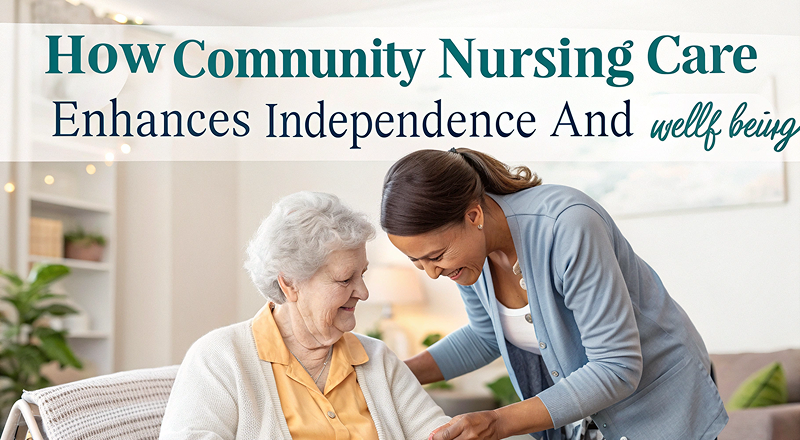
Community nursing care is an essential service that helps individuals with disabilities or chronic health conditions maintain their independence and well-being. Unlike traditional hospital-based care, community nursing provides a more personalized approach by delivering services directly in the home. This not only improves access to health care but also allows individuals to remain in their community, maintaining a sense of autonomy and connection with others. Nurses work with individuals to manage health conditions, ensure proper medication management, and provide emotional support.
One of the core functions of community nursing is preventative care. Nurses help monitor vital signs, screen for potential health issues, and educate individuals on lifestyle modifications to prevent further complications. By staying on top of health concerns, community nurses can detect early signs of deterioration and intervene before issues escalate, thus avoiding hospitalizations and improving long-term health outcomes. This aspect of care is particularly valuable for individuals with chronic conditions like diabetes, cardiovascular disease, or respiratory illnesses.
The emotional and psychological support provided by community nurses is equally important. Many individuals with disabilities or chronic illnesses experience social isolation and emotional stress. Community nurses not only offer medical assistance but also engage with clients to address their emotional and mental health needs. This holistic care ensures that individuals feel supported in all areas of their well-being, from physical health to emotional resilience.
For families and caregivers, community nursing care offers invaluable relief. Nurses can step in to provide respite care, allowing family members time to rest and recharge. Furthermore, nurses serve as a point of contact for care coordination, ensuring that families are informed about their loved one’s progress and that the care plan is tailored to meet the individual’s evolving needs.
In the long run, community nursing care allows individuals to stay in their homes longer, remain active members of their communities, and manage their health in a way that maximizes independence and quality of life. The close relationship between nurses, patients, and families fosters a supportive network that promotes overall well-being.