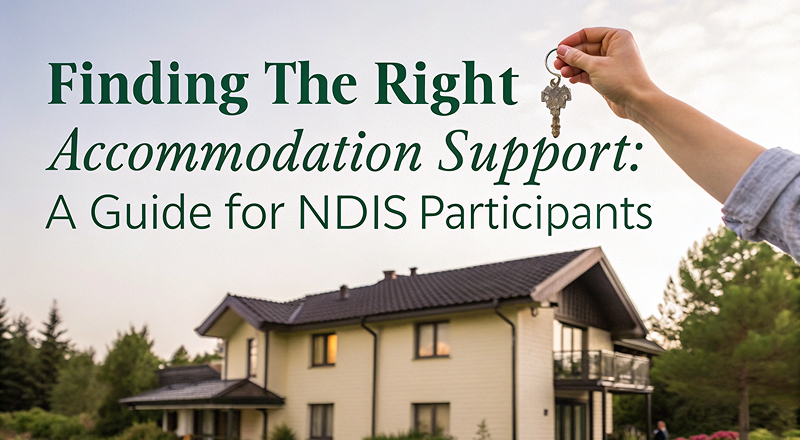
Finding the right accommodation can be a pivotal step in ensuring that individuals with disabilities live in an environment that supports their independence, well-being, and personal growth. For NDIS participants, the National Disability Insurance Scheme (NDIS) offers a variety of accommodation options, designed to meet different needs and preferences. The process of selecting the best accommodation support requires careful consideration of the individual’s goals, lifestyle, and level of support needed. This guide helps NDIS participants understand their accommodation options, how to navigate the system, and what factors to consider when choosing a home that promotes independence and well-being.
What is Accommodation Support under NDIS?
Accommodation Support under the NDIS refers to a range of services and options that help individuals with disabilities live in a home or housing environment that suits their needs. The type of accommodation can vary widely, from shared living arrangements to fully independent living, and the level of support provided can be tailored to each person’s requirements.
Accommodation Support can include services such as:
- Assistance with daily living activities like personal care, cooking, and cleaning.
- 24/7 care or support staff to assist with medication management, mobility, and other health-related needs.
- Access to community activities and social engagement to foster independence and a sense of belonging.
- Home modifications to make living spaces more accessible.
For NDIS participants, the right accommodation not only ensures that they have access to necessary supports, but it also fosters a sense of community, belonging, and self-sufficiency. The goal is to ensure individuals live in environments where they feel comfortable, safe, and supported, all while working towards greater independence.
Key Accommodation Options Available for NDIS Participants
The NDIS provides a range of accommodation options that cater to different needs, preferences, and levels of support. These include:
- Supported Independent Living (SIL)
SIL offers NDIS participants the opportunity to live in shared housing with access to 24/7 care and support. In these settings, individuals live in a shared home with other participants, receiving personalized care based on their needs. SIL services are tailored to promote independence while ensuring the necessary supports are available for tasks like personal care, cooking, and household chores. The goal of SIL is to provide a balance between support and independence, allowing participants to build confidence and skills for independent living. - Specialist Disability Accommodation (SDA)
SDA is designed for participants who require specialized accommodations due to complex needs. These homes are purpose-built and offer a high level of accessibility, such as wheelchair-friendly bathrooms, hoists, and wider doorways. SDA homes are suitable for participants who may have physical, sensory, or complex health needs that require specialized designs or equipment. Depending on the needs of the participant, these homes may come with onsite support or be independent, with support provided as needed. - Independent Living (IL)
Independent Living allows participants to live in their own homes with little or no support, depending on their needs. This option is best suited for individuals who are able to manage most tasks independently but may require occasional assistance or have some level of ongoing support. The NDIS can assist with funding for home modifications or assistive technologies to help the participant live comfortably and independently in their home. - Group Homes
A group home offers shared living spaces where participants live with others who have similar needs. Group homes provide a safe and supportive environment, where individuals have access to staff who assist with daily living activities. While similar to SIL, group homes typically offer more structured support and often provide services like health care, social activities, and rehabilitation. This option can be a good fit for individuals who benefit from a structured and supportive environment but want to have some level of social interaction and independence.
How to Choose the Right Accommodation Support
Choosing the right accommodation support involves a thorough assessment of the individual’s goals, lifestyle preferences, and level of required assistance. Here are key factors to consider:
- Personalized Support Needs
One of the most important aspects of accommodation support is determining the level of care and assistance needed. Some individuals may only require minimal help with tasks like cooking or transportation, while others may need 24/7 support for medical or personal care needs. Understanding the level of support required will help narrow down the best accommodation option for the individual. - Independence vs. Support Balance
It’s essential to find the right balance between independence and support. Some individuals may prefer living in a shared home with regular support to maintain a social connection, while others may opt for independent living arrangements where they manage daily tasks with minimal assistance. Supported Independent Living (SIL) and Specialist Disability Accommodation (SDA) are ideal for individuals seeking a combination of independence and support. - Home Modifications and Accessibility
For some NDIS participants, the ability to make home modifications is essential to ensure accessibility and independence. This could include installing ramps, widening doorways, or adding grab rails to the bathroom. Some NDIS accommodation options provide built-in accessibility features, while others may require modifications based on the individual’s needs. - Location and Proximity to Community
The location of accommodation plays a significant role in the individual’s ability to engage with the community. Proximity to public transport, local shops, and social or recreational facilities can greatly enhance an individual’s independence and access to social opportunities. Consider whether the accommodation is in a suitable area that aligns with the person’s goals for community participation. - Support Staff and Carer Interaction
The quality of support staff is critical to ensuring that individuals feel comfortable, supported, and understood in their accommodation. Look for staff who are experienced in working with individuals with disabilities and are able to provide the right type of support in a respectful and empowering manner.
Funding Accommodation Support through NDIS
The NDIS can assist participants with funding for accommodation and support services. Depending on the individual’s plan, funding may cover various aspects, including:
- Accommodation costs: This includes rent, utilities, and maintenance costs.
- Support services: Personal care, household assistance, or 24/7 care.
- Home modifications: Adjustments to make the home more accessible.
- Assistive technologies: Tools and equipment to enhance daily living.
To access funding for accommodation support, participants must go through a process known as a plan review with their NDIS planner. During this process, the individual’s goals and needs are assessed to determine how accommodation can be incorporated into the NDIS plan. It’s important to be prepared with details about your current living situation, the level of support required, and any specific accommodations needed.
Conclusion: Finding the Right Accommodation for a Better Future
Finding the right accommodation is one of the most significant steps in helping individuals with disabilities achieve greater independence and self-sufficiency. By understanding the different accommodation options available and carefully considering the needs and preferences of the individual, families and support coordinators can ensure that participants live in an environment that allows them to thrive. Whether it’s through Supported Independent Living, Specialist Disability Accommodation, or independent living with home modifications, the NDIS provides a range of options to support individuals in leading fulfilling, independent lives. With the right support, the path to a better future begins with finding the right home.