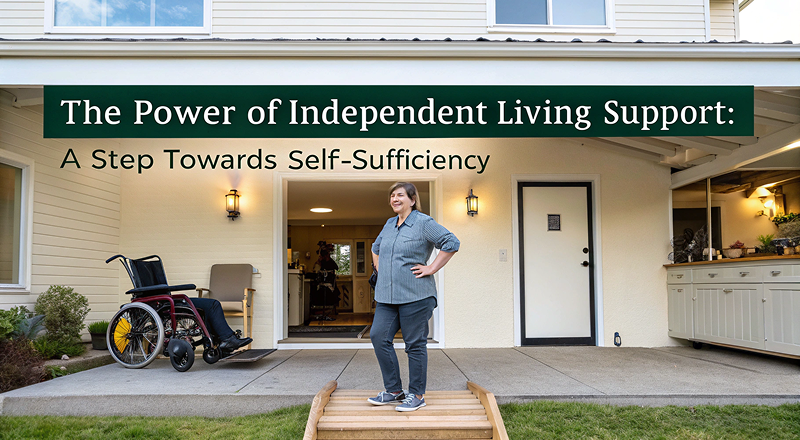
Independent Living Support is about more than just providing help—it’s about creating an environment where individuals can thrive and live as independently as possible. For people with disabilities, this support is crucial for fostering self-sufficiency, improving quality of life, and promoting overall well-being. At Tranquility Tribe, we focus on personalized support to help participants develop the skills they need to manage daily tasks, make informed decisions, and live life on their terms.
What is Independent Living Support?
Independent Living Support (ILS) refers to a wide range of services that assist individuals with disabilities in living as independently as possible within their own homes and communities. For people who may need assistance with daily living tasks, such as cooking, cleaning, personal care, or managing finances, ILS ensures that they can maintain control over their lives while receiving the support they need.
Unlike traditional residential care, where individuals may feel more dependent on the system, Independent Living Support aims to empower individuals to make decisions, set personal goals, and take active roles in their own lives. It’s not about doing everything for the person, but rather, providing the tools, guidance, and assistance necessary for them to live independently while still having access to the support they require.
Key Elements of Independent Living Support
One of the key features of Independent Living Support is the focus on building skills. The goal is to help participants become proficient in tasks like cooking, cleaning, personal care, budgeting, and managing appointments. For individuals who may not have had the opportunity to develop these skills due to their disability or other barriers, ILS provides step-by-step guidance and hands-on training to ensure that they can handle everyday activities with confidence.
This support can be tailored to each individual’s unique needs, preferences, and goals. Some may need only occasional assistance with specific tasks, while others may need more frequent support throughout the day. Whether it’s organizing a home, meal planning, or learning to use public transportation, Independent Living Support focuses on fostering self-reliance.
Another important aspect is decision-making. ILS services help participants become more involved in making decisions about their daily lives, such as choosing their living arrangements, managing their health care needs, and determining their personal goals. By empowering individuals to make these decisions, ILS enhances their sense of control and autonomy, leading to a stronger sense of self-worth.
The Impact of Independent Living Support on Quality of Life
The impact of Independent Living Support extends far beyond just completing daily tasks. It is about improving overall quality of life by giving individuals the confidence and autonomy to lead a fulfilling life. For many individuals with disabilities, the ability to live independently can feel empowering, allowing them to have greater participation in their community and the freedom to make choices about their own life.
This support also reduces reliance on family members or caregivers, alleviating stress for both parties. It helps family members transition from being primary caregivers to supporting their loved ones in a more advisory or collaborative role. This shift can improve relationships and promote a sense of shared responsibility between the individual and their family, enhancing overall family dynamics.
Furthermore, community engagement is an essential aspect of Independent Living Support. It’s not just about living at home—it’s also about being able to go out into the community, participate in social activities, access employment, and build meaningful relationships. This increased participation promotes a sense of belonging and self-empowerment, which are vital for emotional and mental well-being.
Creating Independence through Technology and Resources
In today’s world, technology plays a crucial role in enabling independence. Assistive technologies, such as smart home devices, mobility aids, or communication tools, can significantly enhance a person’s ability to live independently. For example, individuals with limited mobility can use voice-activated systems to control lights, doors, or other appliances, while those with hearing impairments can use text-to-speech devices to communicate more effectively.
Technology also plays a key role in supporting daily activities such as online banking, grocery shopping, or telehealth appointments. Many Independent Living Support programs incorporate assistive technologies into their plans to enhance the participant’s experience, making it easier for them to manage their own homes, access services, and stay connected with their community.
Additionally, resources and networks such as local community groups, online forums, or government programs can be invaluable. Independent Living Support programs often provide participants with information about these resources, helping them access new opportunities for social engagement, education, or personal development.
Case Study: Empowering Individuals with Independent Living Support
Take the case of Laura, a young woman with a physical disability who was previously dependent on family members for most aspects of her daily life. With the help of Independent Living Support, Laura received training in cooking, cleaning, and budgeting, which allowed her to manage her own household. She also gained the confidence to travel independently using public transport and took part in social activities in her local community. Laura now leads a fulfilling life, living independently while still receiving support when needed.
Another example is John, a middle-aged man with an intellectual disability who had previously lived in a group home setting. After receiving Independent Living Support, John was able to transition into his own apartment with tailored assistance. With support, he learned how to manage household chores, maintain a budget, and live independently. He now enjoys a sense of freedom and pride in his self-sufficiency and regularly participates in community volunteer work, which has boosted his confidence and social connections.
The Future of Independent Living Support
As society continues to recognize the importance of independence for all individuals, Independent Living Support will become an even more integral part of disability services. Ongoing advancements in assistive technology, training programs, and community resources will further enhance the ability for individuals with disabilities to live fulfilling, independent lives.
With the right support, individuals with disabilities can achieve greater self-sufficiency and live life on their own terms. At Tranquility Tribe, we are committed to empowering our participants through personalized Independent Living Support that gives them the tools and confidence they need to thrive.